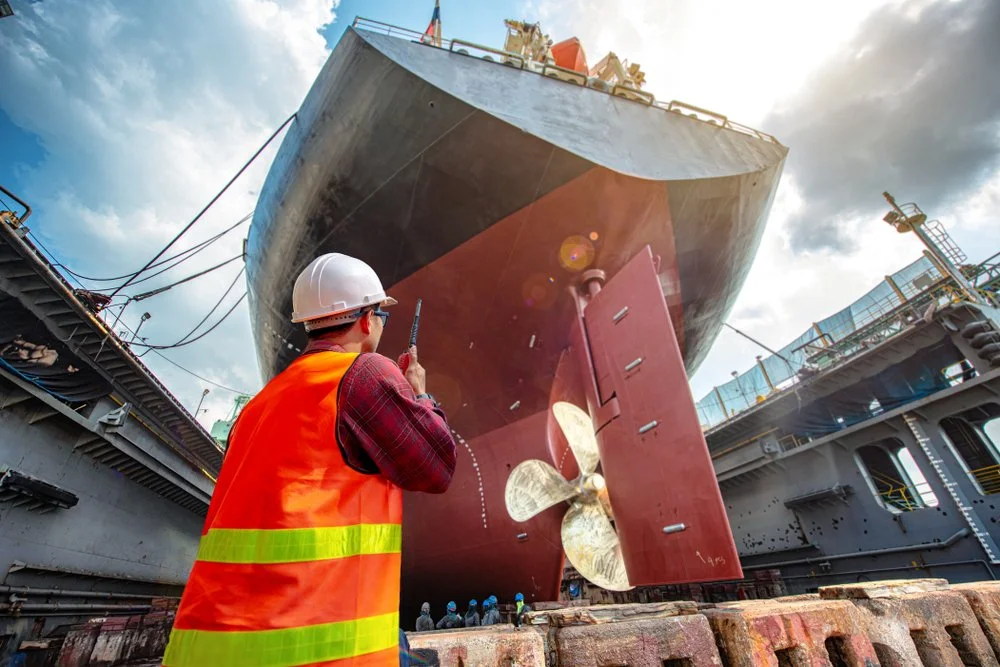
Strengthening Workforce Sustainability
Practical ergonomics for critical environments
Reducing preventable strain while supporting reliable production.
Expert guidance that works with crews to shape solutions that fit the realities of the job.
We work where you work.
-
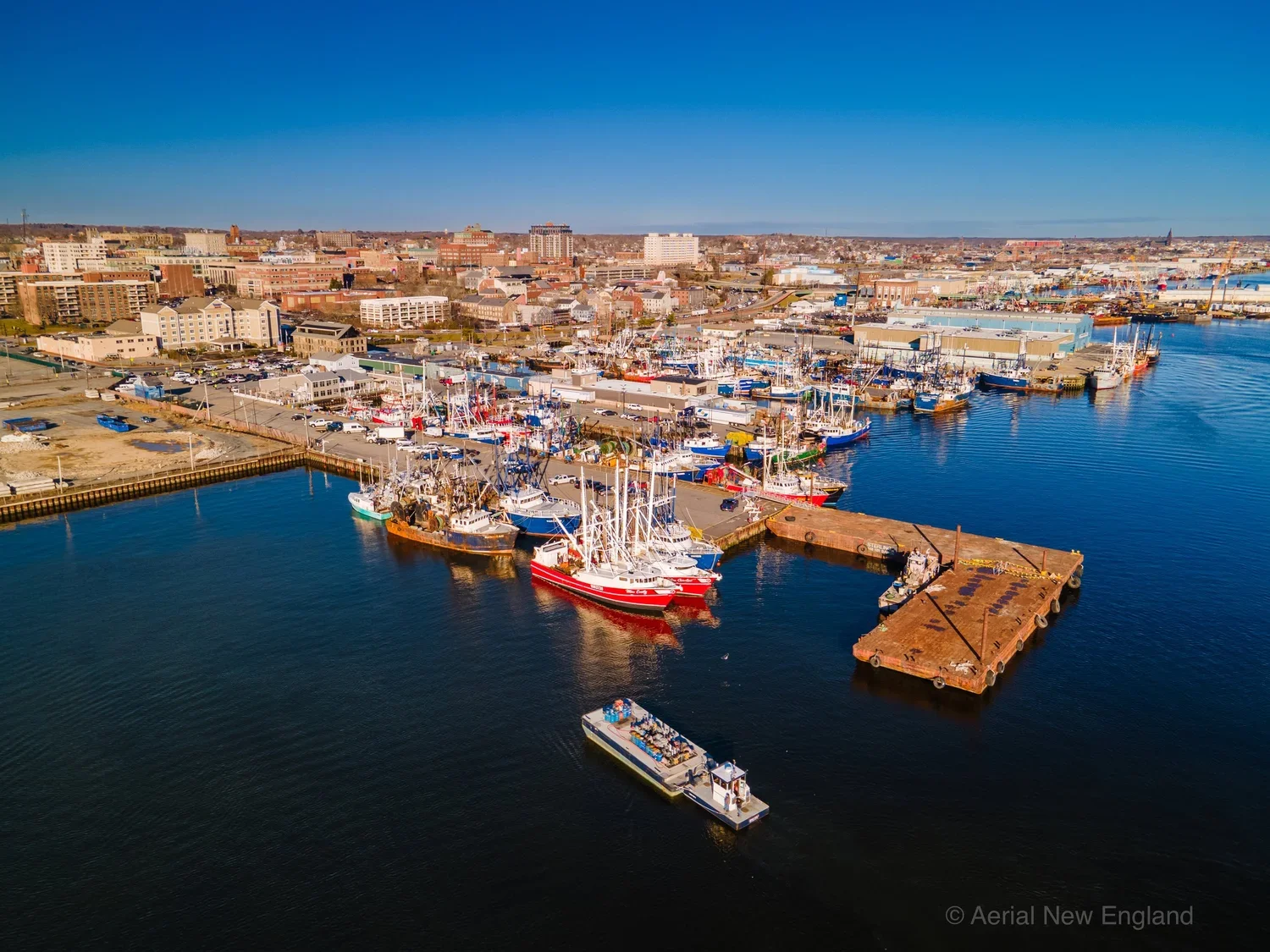
Commerical Fishing • Shipyards • Port Operations • Vessel Repair • Port Operations
Services:Physical demands & job analyses
Ergonomic facility and workflow consultation
Tool and equipment selection guidance
Policy and procedure development
Physical environment modification recommendations
Marine MSD rapid-reduction pilot (short-term, task-focused engagement)
Full and light duty job demands analysis and documentation
Return-to-work task matching
Accommodation consultation
Musculoskeletal OSHA First Aid & early response support
Injury pattern and cost-impact analysis
-
Manufacturing • Fabrication • Processing • Distribution • Production
Services:Task-level ergonomic evaluations
Production-line and layout consultation
Tool and workstation optimization
Department-level exposure reviews
Supervisor and safety committee training
Full and light duty job demands analysis and documentation
Return-to-work task matching
Accommodation consultation
Musculoskeletal OSHA First Aid & early response support
Injury pattern and cost-impact analysis
-
Highway • Water & Wastewater • Fleet • Municipal Operations
Services:
Physical demands & job analysesTask-level ergonomic evaluations
Equipment and vehicle access assessments
Tool and equipment selection guidance
Workflow and crew-task optimization
Manual material handling risk analysis
Full and light duty job demands analysis and documentation
Return-to-work task matching
Accommodation consultation
Musculoskeletal OSHA First Aid & early response support
Injury pattern and cost-impact analysis
Supervisor and crew-level ergonomics training
-
Research • Clinical • Biotech • Quality Control • Academic Labs
Services:
Physical demands & job analyses
Task-level ergonomic evaluations
Bench and equipment configuration consultation
Repetitive strain risk assessment
Workflow and sample-handling optimization
Tool and equipment selection guidance
Full and light duty job demands analysis and documentation
Return-to-work task matching
Musculoskeletal OSHA First Aid & early response support
Injury pattern and cost-impact analysis
Lab team ergonomics training
About
Human Systems
Human Systems was built to meet real operations where they are. Every work environment is different, and effective solutions must fit the task, crew, and pace of production — not the other way around.
Founded by Sarah Arrigo, an occupational therapist and ergonomics specialist, Human Systems draws on experience across aerospace manufacturing at Boeing, public works, corporate offices, commercial waterfronts, seafood processing, warehousing, and industrial production.
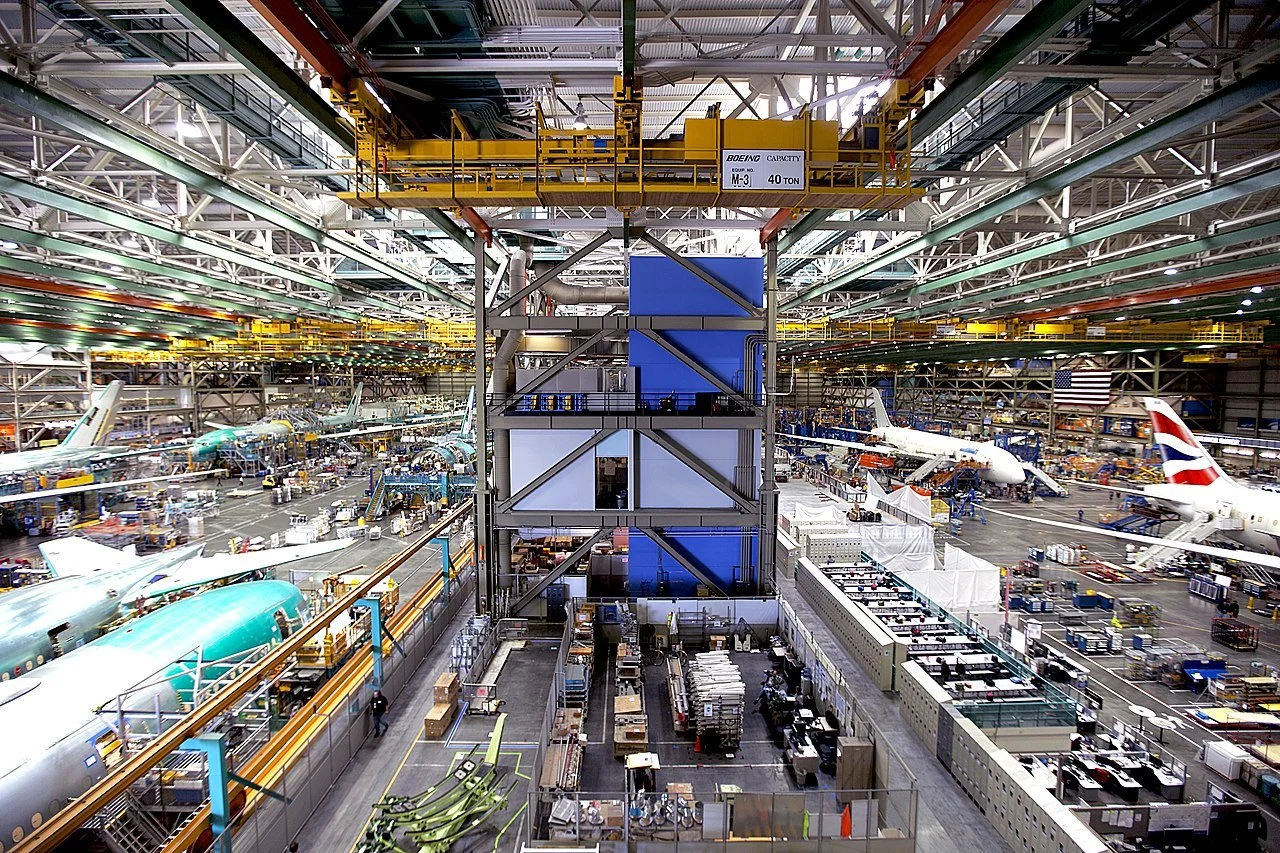
In physically demanding industries, musculoskeletal injuries remain one of the most common and preventable disruptions to workforce stability.
The work focuses on understanding real task demands and helping teams make practical adjustments that protect people without slowing production.
Internal teams know their operations best. Human Systems provides structured analysis and steady support so risk reduction strengthens leadership rather than adding burden.
The goal is simple: protect workers, improve outcomes, and keep work moving.
Human Systems serves organizations across New England, with a strong presence in coastal and port-based communities.
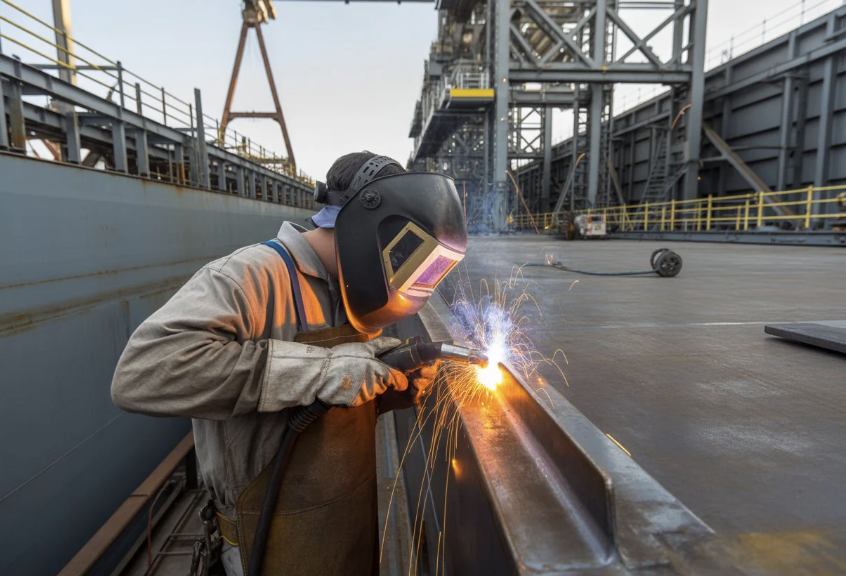
A Culture of Practical Problem-Solving
Most safety programs bring in outside answers.
Human Systems builds the ability to solve problems from the inside.
Using expert analysis to guide the process, participatory ergonomics respects the existing culture — helping crews spot strain and shape practical fixes that fit the realities of the job.
The people doing the work help design what works.
Nothing gets imposed. Nothing slows production.
Over time, this supports lasting strength within the team and the work itself.
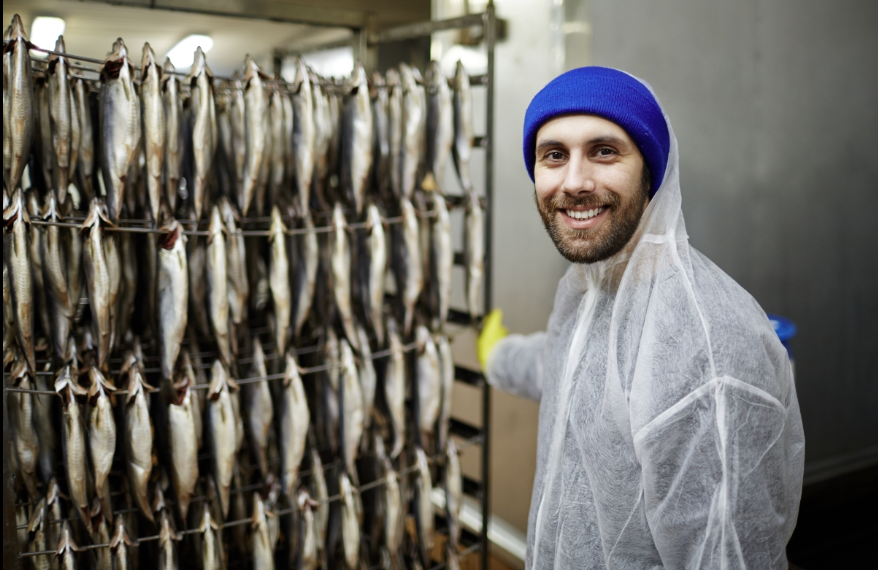
Industry Health & Community Impact
In industrial and waterfront communities, the health of industry is tied directly to the health of the region.
When injuries disrupt production, the impact extends beyond a single crew or facility. Experience is lost. Schedules slip. Families and local businesses feel the strain.
Workforce health and safety are closely connected. Fatigue, illness, chronic strain, and unmanaged pain can affect focus, decision-making, recovery, and reliability.
Musculoskeletal disorders (MSDs) account for roughly one-third of workplace injuries and are among the most costly. A single MSD injury can cost between $15,000 and $85,000 in direct expenses, with indirect costs — including overtime, retraining, and reduced productivity — often doubling or tripling the total impact.
When strain goes unaddressed:
Production slows, skilled workers leave, overtime rises, and healthcare demand grows — contributing to workforce instability and higher operating costs.
Organizations that address strain through structured, practical support often see:
• Fewer repeat injuries
• Reduced time away from work
• Greater production stability
• Lower claim-related costs
• Stronger coordination across teams as workers
develop shared strategies for managing physical
demands
Reducing strain helps:
• Protect experienced workers
• Maintain steady production
• Support workforce retention
Safer crews support steadier operations.
Steadier operations support stronger communities.
Regional efforts show that addressing work-related health needs strengthens both workforce sustainability and safety outcomes (necenter.org).
Contact Us
Human Systems provides injury prevention and ergonomic consultation services across New England.
If you would like to discuss your operation or schedule an initial consultation, please reach out directly.
Sarah Arrigo, MS, OTR/L, CEAS
Founder, Human Systems Injury Prevention & Ergonomics
Plymouth, Massachusetts
📞 (484) 844-7557
✉️ info@humansystemsergo.com